


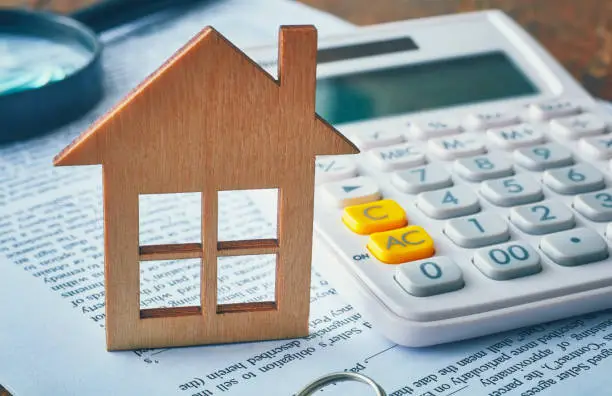
If you’re dreaming of owning a home in New York, there’s a bit more to think about than just the price of the house. This blog is here to guide you through those extra costs that can sneak up on you. Whether it’s a house near the beautiful beaches of Long Island or a cozy spot in Suffolk County or Nassau County, we’ll help you understand the unexpected expenses so you can plan better and avoid surprises.
The Hidden Costs of Buying a Home
When you’re looking to buy a home in New York’s popular areas, there are some extra costs you might not be thinking about. These hidden expenses are important to understand so you can budget properly and make your home-buying experience smooth.
Closing Costs
Closing costs are the extra fees you pay when you finish buying your house. Here are a few key things to remember:
- Appraisal Fees: This is what you pay for someone to check the value of the house.
- Title Insurance: This insurance protects you from legal issues related to the house’s ownership.
- Attorney Fees: Buying a house involves a lot of legal stuff, and you’ll need a lawyer, which costs money.
Knowing and planning for these costs will help you be more prepared when buying your home.

Home Inspection and Repairs
Another important part of buying a house is the home inspection and any repairs that might come up. When considering buying a house, it’s crucial to recognize the significance of a comprehensive home inspection. This step is vital to uncover any major issues, such as structural problems or outdated electrical systems. Additionally, it’s important to be aware of the potential costs associated with repairs and renovations. This is especially true for older homes, which might require significant work. It’s wise to have a reserve fund for unexpected expenses that may arise. By understanding and planning for these expenses, your journey to homeownership on Long Island or anywhere else in New York becomes much more manageable.
Maintenance & Upkeep Expenses
In this section, we will dive into the often-overlooked costs of maintaining your home, ensuring that you are fully prepared for the financial responsibilities that come with homeownership.
Upkeep and Repairs
Owning a home also means being responsible for its upkeep and repairs. This includes regular maintenance tasks like lawn care, pest control, and HVAC servicing, as well as unexpected repairs like fixing a leaky roof or a broken appliance. The costs of these repairs can vary greatly but they are a normal part of homeownership. It’s wise to set aside a home maintenance fund to cover these expenses. A common rule of thumb is to save 1% to 3% of your home’s purchase price annually for maintenance and repairs. This fund helps ensure that you’re prepared for both routine upkeep and any unforeseen issues that may arise, protecting your investment in the long run.
Homeowners Association Fees
If your new home is part of a homeowners association (HOA), you’ll need to budget for the additional costs that come with it. HOAs typically charge monthly dues, contributing to the upkeep of shared spaces and amenities, and sometimes utilities. These fees are not optional, and not paying them can lead to severe consequences. Sometimes, HOAs may face significant projects or repairs that go beyond their regular budget, leading to special assessments for homeowners. These could be substantial one-time charges or extra fees distributed over months.
It’s key to remember that these fees can rise, and they should be considered in your long-term financial planning. Being aware of these costs is essential for making an informed home-buying decision and avoiding unexpected financial burdens in the future.
Insurance and Taxes
In addition to HOA costs, when buying a home you’ll also encounter ongoing expenses such as insurance and taxes. Homeowners insurance is crucial for safeguarding your investment, especially in regions prone to unpredictable weather like Long Island. The cost of this insurance may vary based on factors like your home’s age, location, and construction materials. In coastal areas of New York, such as Nassau and Suffolk counties, the risk of storm damage might result in higher insurance premiums. It’s important to fully understand your policy’s coverage, as standard policies typically cover fire, storms, and theft. However, in New York, you might need extra coverage for specific risks like flooding.
Property Taxes
Understanding property taxes is a crucial aspect of homeownership, especially in New York, where they rank among the highest in the country. These taxes are pivotal for funding local amenities and services, such as schools, roads, and emergency services.
Property taxes are calculated based on the assessed value of your home and the tax rate determined by your local government. It’s important to note that these tax rates can vary widely, even within the same county. Additionally, both tax rates and property valuations can change, directly affecting your annual expenses. Keeping abreast of these changes is vital for effective budgeting.
In New York, there are several property tax exemptions available to eligible homeowners, including seniors, veterans, and individuals with disabilities. Exploring these exemptions could lead to significant savings.
It’s essential to have a comprehensive understanding of homeowners insurance and property taxes in your specific area of New York. These costs can significantly increase your annual housing expenses and should be carefully considered when buying a home. By staying informed and prepared, you can manage these ongoing expenses effectively, ensuring a more financially stable homeownership experience.

Home Improvements and Upgrades
Moving into a new home often brings with it the excitement and desire to personalize and upgrade your space. This journey from a mere structure to a reflection of your personal taste involves various aspects of home improvement, from necessary renovations to aesthetic choices like furniture and decor. Understanding and budgeting for these costs is essential in making your house truly feel like home.
Renovations and Remodeling
Renovating a home in New York, especially in high cost of living areas like Long Island, can be an expensive affair. The cost varies significantly based on the project’s scope. While simple updates like painting or minor cosmetic changes won’t break the bank, larger projects like kitchen or bathroom renovations require a more substantial budget. It’s crucial to understand the costs in your specific area to set a realistic budget. Prioritizing upgrades is also key. Essential improvements, such as fixing structural issues or updating old heating systems, should take precedence over aesthetic changes. Think about the return on investment and how each upgrade will enhance your living experience.
For personalized renovation solutions, consider consulting Gem Hunter Property Solutions. Reach out to us for a tailored estimate and expert advice on enhancing your home’s value and appeal.
Furniture and Decor
Furnishing and decorating a new home can be a considerable expense. It’s wise to start by identifying the essential items before moving on to less critical pieces, keeping in mind that furnishing a home is a gradual process. To manage costs, consider blending high and low-end items. Invest in key pieces like a comfortable sofa or a durable bed and look for savings on decorative items. Sales in larger retail stores in New York can offer significant discounts. Additionally, exploring local thrift stores, estate sales, or online marketplaces can lead to unique finds that add character to your home without stretching your budget.
While the process of home improvement and upgrades can be thrilling, it demands careful planning and budgeting, particularly in the New York area. By understanding the costs involved and making informed choices based on both your needs and financial capabilities, you can embark on the journey of turning a house into a home at a pace that suits you. Remember, personalizing your space is a journey that should be enjoyed, not rushed.
Moving and Settling In
When it comes to moving, one of the first decisions you’ll face is whether to hire professional movers or to handle the move yourself. Hiring professionals in New York can be pricey, but it offers convenience and efficiency, particularly for larger homes or longer distances. However, if you’re on a tighter budget, a DIY move could be a more cost-effective option. Renting a moving truck and enlisting the help of friends can significantly reduce costs. To save money, consider moving during off-peak times, like weekdays or mid-month, when rates are often lower. Additionally, sourcing free packing materials, like boxes from local stores or using household items for padding, can also help cut down expenses.

Moving Services
When it comes to moving, one of the first decisions you’ll face is whether to hire professional movers or to handle the move yourself. Hiring professionals in New York can be pricey, but it offers convenience and efficiency, particularly for larger homes or longer distances. However, if you’re on a tighter budget, a DIY move could be a more cost-effective option. Renting a moving truck and enlisting the help of friends can significantly reduce costs. To save money, consider moving during off-peak times, like weekdays or mid-month, when rates are often lower. Additionally, sourcing free packing materials, like boxes from local stores or using household items for padding, can also help cut down expenses.
Initial Expenses
Once you’ve moved in, there are initial costs to consider for setting up your new home. These can include setting up utilities such as electricity, water, and internet services. These setup costs can vary, so it’s a good idea to research providers in your new area ahead of time. Also, purchasing new appliances, whether it’s a necessity like a refrigerator or something more discretionary like an air conditioning unit, can add up quickly. It’s advisable to check if some appliances are included in your home purchase or if you can negotiate them into the deal.
Another consideration is stocking up on household essentials. This includes everything from cleaning supplies to basic pantry items. While these costs might seem minor individually, collectively they can amount to a substantial sum. To manage these expenses, make a list of essentials and prioritize them. Shopping at local discount stores or taking advantage of sales in New York’s many retail outlets can also help keep these initial costs in check.
Moving and settling into a new home involves a variety of expenses beyond just the moving truck or the utility bills. Being aware of these costs and planning for them can help ensure that your move is as stress-free as possible, letting you enjoy the thrill of setting up your new home without the burden of unexpected expenses. Remember, a little planning goes a long way in making your move smooth and financially manageable.
In summary, buying a home in New York involves more than just the purchase price. It’s essential to be aware of the hidden costs such as closing costs, home inspections, homeowners association fees, insurance, taxes, home improvements, and moving expenses. Understanding these additional financial responsibilities is crucial for a well-rounded budget. This preparation ensures a smoother transition into homeownership, allowing you to fully enjoy the experience without unexpected financial burdens.
Leave a Reply