


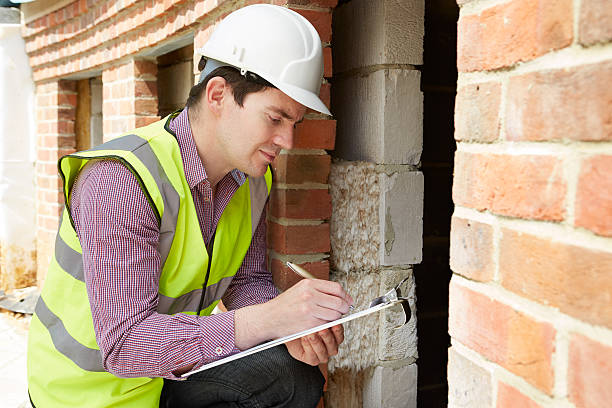
Navigating the world of home inspections in Long Island can often feel like a puzzle. Whether you’re selling your home or in the market to buy, understanding the impact of time and external factors on a home inspection is crucial. This guide delves into the little-known aspects that can make or break a home inspection’s value, offering a glimpse into the secrets that sellers use to ace this process. Join us as we uncover the often-overlooked elements that define the shelf life of a home inspection.
Factors Affecting the Shelf Life of a Home Inspection
A home inspection report is a crucial document in the real estate world, but its relevance isn’t indefinite. Several key factors can impact its credibility over time. Understanding these elements is vital for anyone involved in the buying or selling process. Here, we’ll dive into what influences the shelf life of a home inspection and share expert tips to ensure its accuracy.
Age and Condition of the Property
The age of a property is a significant factor. Older homes may have underlying issues not immediately apparent during an initial inspection. Wear and tear over the years can lead to problems like structural weaknesses, outdated electrical systems, or deteriorating plumbing.
Signs To Watch For:
- Cracks in walls or foundations indicating structural issues.
- Outdated electrical systems, such as old fuse boxes.
- Plumbing issues, including old piping or leaks.
- Roof wear, including missing shingles or water damage.
Environmental Factors
The environment surrounding a property greatly impacts its condition. Factors like weather patterns, climate changes, and geographical location can accelerate wear and tear. For example, properties in coastal areas like Suffolk County and Nassau County might be more prone to corrosion due to water exposure.

Signs to Watch For:
- Water damage from flooding or heavy rainfall, especially in basements and lower levels.
- Signs of mold or mildew in areas with high humidity.
- Sun damage, such as fading or cracking, in areas with intense sunlight.
- Erosion or landscaping issues in areas prone to heavy winds or rain.
Addressing the Issues:
- Implementing proper drainage solutions to combat water damage.
- Using dehumidifiers in damp areas to prevent mold and mildew.
- Applying protective coatings to exterior surfaces to prevent sun damage.
- Reinforcing landscaping and erosion control measures in vulnerable areas.
Understanding these environmental impacts is essential for maintaining the accuracy of a home inspection report. But how can you tell when an inspection has outlived its usefulness? Let’s take a look at the signs of an expired home inspection.
Signs of an Expired Home Inspection
As time passes and circumstances change, a home inspection report can lose its relevance. This section will guide you through identifying the telltale signs that a report is no longer valid and what steps you should take next. Both buyers and sellers must recognize these signs to make informed decisions and maintain the integrity of the property transaction.
Changes in Building Codes and Regulations
Building codes and safety regulations in New York are constantly evolving to ensure the safety and well-being of occupants. This means that an inspection report that was compliant and satisfactory a few years ago may not meet the latest standards and requirements. It is especially important to consider areas of safety such as fire codes and earthquake readiness.
Both buyers and sellers need to stay informed about any changes in regulations that may affect the compliance and safety of a property. Consulting with local authorities and building departments can provide valuable insights and help ensure that the property meets the requirements.
Property Modifications
Property modifications can have a significant impact on the condition of a home after an inspection. These alterations or renovations can either improve the property’s condition or introduce new issues. Homeowners should document and communicate any modifications to potential buyers and ensure that they are done correctly and adhere to local regulations.
Technological Advancements in Inspection Methods
The field of home inspection is constantly evolving with advancements in technology, and these innovations can have a significant impact on the shelf life of a home inspection report. New tools and techniques are continuously being developed to improve the accuracy and thoroughness of inspections, ensuring that no hidden issues go unnoticed. These new technologies can reveal issues that were not noticed previously.

Both buyers and sellers should stay informed about the latest tools and techniques being used in home inspections. By understanding the benefits and limitations of these advancements, they can make more informed decisions and ensure that their inspections are conducted using the most up-to-date methods.
While understanding the signs of an expired home inspection is crucial, it’s equally important to know how to prolong its validity. In the next section, we’ll delve into strategies for extending the shelf life of a home inspection, ensuring that it continues to reflect the true condition of your property.
Extending the Shelf Life of a Home Inspection
The value of a home inspection report lies in its ability to accurately reflect the current state of a property. This accuracy, however, can diminish if the property is not properly maintained. As a homeowner, there are several proactive measures you can take to ensure that your home inspection report remains a relevant and accurate tool for understanding your property’s condition. Here are some effective methods to extend the shelf life of your home inspection.
Regular Maintenance and Repairs
Routine home upkeep can be an expense, but it is crucial in maintaining the condition of your property. This includes:
- Inspecting and repairing the roof: Regularly check for and fix any leaks or missing shingles.
- Plumbing checks: Prevent leaks and water damage by routinely inspecting pipes and fixtures.
- HVAC maintenance: Regular servicing of heating, ventilation, and air conditioning systems ensures they are functioning efficiently and safely.
- Electrical system checks: Ensure all wiring, outlets, and electrical panels are in good working order and meet current safety standards.
- Foundation and structural integrity: Regularly inspect the foundation and structural elements of your home for any signs of damage.
Documented Updates and Upgrades
Whenever you make significant updates or upgrades to your property, document them thoroughly. This includes:
- Keeping a record of all renovations and repairs: Maintain a detailed log of the work done, including dates, what was done, and who did the work.
- Saving receipts and warranties: This documentation can be invaluable in demonstrating the value and condition of your home.
- Before-and-after photos: Visual records can provide clear evidence of improvements and are helpful during future inspections or property evaluations.
Adapt To Changing Standards
Staying informed about changes in building codes and environmental regulations is crucial for homeowners. Not only does it extend the shelf life of your home inspection, but it also ensures that your property meets current standards. By keeping up with these changes, you can proactively address any necessary updates or modifications to your property, ensuring that it remains compliant and safe.
To stay informed about changes in building codes and environmental regulations, it is recommended to regularly consult with local authorities and building departments. They can provide you with the most up-to-date information and guidance on any changes that may affect your property. Additionally, working with professionals in the construction and real estate industry can also help you stay informed and ensure that you are taking the necessary steps to comply with regulations.
Seek Professional Advice
Regular consultations with home maintenance professionals can provide insights into necessary repairs and upgrades, helping you stay ahead of potential problems. Home maintenance professionals, such as plumbers, electricians, HVAC technicians, and structural engineers, have specialized knowledge and expertise in their respective fields. They can assess the condition of your home’s systems and structures, identifying any signs of wear and tear or potential vulnerabilities. Their insights can help you prioritize maintenance tasks and allocate your resources effectively.

By implementing these strategies, you not only maintain the condition of your property but also ensure that your home inspection report continues to be a reliable and valuable resource for understanding your home’s current state. However, when it comes time to sell, there are additional steps you can take to ensure a successful home inspection. Let’s take a look at some tips for a successful home inspection.
Sellers’ Expert Tips for a Successful Home Inspection
As a seller, your aim is not just to pass the home inspection but to excel in it, setting your property apart in the competitive real estate market. A successful home inspection can significantly influence a buyer’s decision and even impact the sale price. In this section, we’ll delve into expert strategies that sellers have used to their advantage. These tips cover everything from preparing your home in advance to effectively communicating with inspectors and potential buyers. We’ll highlight key areas to focus on and provide practical advice on how to present your home in the best light, ensuring that the inspection process is smooth and favorable.
1. Conduct a Pre-Listing Inspection: Consider getting your own home inspection before listing your property. This preemptive step can uncover any potential issues that you can address beforehand, reducing the chances of surprises during the buyer’s inspection.
2. Address Necessary Repairs: Fix any known problems before the inspection. This includes repairing leaky faucets, replacing burnt-out light bulbs, addressing any electrical issues, and ensuring all appliances are in working order. Small issues can raise red flags for buyers, suggesting possible neglect.
3. Enhance Curb Appeal: First impressions matter. Ensure your property looks well-maintained from the outside. This includes landscaping, cleaning gutters, painting if necessary, and ensuring the entrance is inviting.
4. Ensure Easy Access: Make sure the inspector has easy access to all areas of your home, including the attic, basement, and all utility rooms. Clear away any clutter that might obstruct access to key components like the furnace, water heater, or electrical panel.
5. Keep Records of Maintenance and Improvements: Provide documentation of any repairs, maintenance, and improvements you’ve made. This transparency can build trust and demonstrate your commitment to the upkeep of the property.
6. Clean and Declutter: A clean and tidy home gives the impression of a well-maintained property. Remove excess clutter to make it easier for the inspector to move around and do their job efficiently.
7. Be Honest and Open: Transparency is key. If there are known issues with the property, be upfront about them. This honesty can prevent potential trust issues and shows that you are cooperative and forthcoming.
8. Understand the Inspector’s Role: Recognize that the inspector’s job is to identify problems that could affect the property’s value or safety. Don’t take the findings personally; instead, use them as a guide for potential improvements.
9. Prepare for the Day of Inspection: On the day of the inspection, plan to be away from the home to give the inspector space to work without distractions or interruptions.
10. Effective Communication Post-Inspection: After the inspection, be prepared to negotiate. If issues are identified, be open to discussing repair credits or a reduction in sale price if necessary.
By following these tips, you can not only prepare your home for a successful inspection but also demonstrate to potential buyers that your property has been well cared for, potentially increasing its appeal and value in the real estate market.
As we wrap up this guide, remember that understanding and effectively managing the factors affecting a home inspection’s shelf life is key in the real estate world. For sellers, it’s not just about passing an inspection but excelling in it. This means staying proactive about maintenance, staying updated with regulations, and preparing your property to showcase its best qualities. These efforts not only boost your chances of a successful sale but also uphold the value and integrity of your property.
In essence, a thorough and well-maintained home inspection report is a powerful tool, offering peace of mind to both buyers and sellers. It reflects the care you’ve put into your property and can significantly influence the sale process. Use the insights from this guide to navigate home inspections with confidence, ensuring your property stands out in the competitive real estate market.
Leave a Reply